


- Type
- Shino
- Details
- A unique piece combining Shino and iron glaze, with a beautifully vivid fire color. The addition of the black, shining iron glaze gives it a distinctive texture.
- Materials
- Mogusa clay (rare clay)
- Size
- φ70 mm
- Height
- 50 mm
- Weight
- About 100g
- Texture
- The fiery red areas highlight the distinct texture of Mogusa clay, offering a warm, hand-adhering feel. The black iron areas are cool and slightly rough to the touch.
Features of this piece
A Shino (志野) guinomi where Shino feldspar meets iron glaze—the soft warmth of Shino set against the dark, flowing patterns of iron. A quiet meeting of two glazes, made to be turned in the hand and admired.
How to drink sake
Cold Sake
Pour sake from the bottle into a tokkuri and then pour it into a guinomi.
The combination of the aroma of sake and the unique texture of Shino ware is excellent, and you can enjoy it even without snacks.
Hot Sake
1. Pour sake into a tokkuri (about 90% full).
2. Cover the pouring spout of the tokkuri with plastic wrap to prevent the good aroma of the sake from escaping.
3. Adjust the amount of water so that it reaches halfway up the tokkuri.
4. Remove the tokkuri, heat a pot, and bring the water to a boil.
5. Place the tokkuri in the pot after turning off the heat for 2-3 minutes.
6. When the sake reaches the mouth of the tokkuri, it is ready. Lift the tokkuri.
Heating sake sharpens the aroma and enhances the flavor.
The sharp aroma of hot sake and the unique texture of Shino ware complement each other well, making it easy to drink too much.
Expected to ship within 10 business days from the date of order
Choose options
Shino

The moment of change
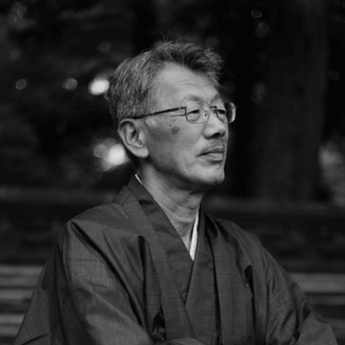
Shino is an elusive vessel that was created for only a brief period in the tea world over 450 years ago. It was fired in large kilns and anagama kilns from the late 16th century to the early 17th century. The charm of Shino lies in its characteristic appearance of a snow-white surface, created by using feldspar, with a subtle, warm fire color visible within it. Bringing out this beautiful color is extremely difficult due to the need for strong reduction firing, where the kiln temperature does not easily rise, necessitating constant temperature adjustments day and night. The kiln firing lasts for more than seven days, conducted under extremely harsh conditions, requiring careful attention. The outcome varies significantly with the seasons and climate, demanding a level of delicacy that allows for no moment of inattention. The color of Shino leaves an impression like "the soil seen after the snow melts" or "a beautiful sunset formed by clouds and the setting sun." Capturing and expressing the fleeting natural beauty without any preconceived ideas or intentions, Shino continues to captivate people's hearts, both now and in the past.

Sake Vessels of Shino: Opening the Flavor
Sake drunk from Shino is said to open up in flavor. Just as wine is decanted, sake too, once it meets the air, gains in aroma, finds its balance, and shows its sweetness. Beneath the glaze, a Shino vessel keeps the soft skin of the clay. Sake poured into it touches that skin and opens slowly, as if the vessel were breathing. A cup poured while looking at the fire-red and milky white seems to show a slightly different face, even with the same sake. With a Shino sake vessel by Kato Takaya, an evening drink alone, taken slowly.

Suitable for


Care
Please wash by hand using a soft sponge or cloth when cleaning. Please refrain from using abrasive sponges for cleaning.
Please note
