Understanding Japanese Ceramics

In Summer, Make It Cool; In Winter, Make It Warm: The Tea Bowl That Changes with the Seasons
Rikyū's “in summer, make it cool; in winter, make it warm” lives on in the shape of the bowl. The wide, shallow hira-jawan of summer, the deep, narrow tsutsu-jawan of winter, and the round wan-nari...
Read more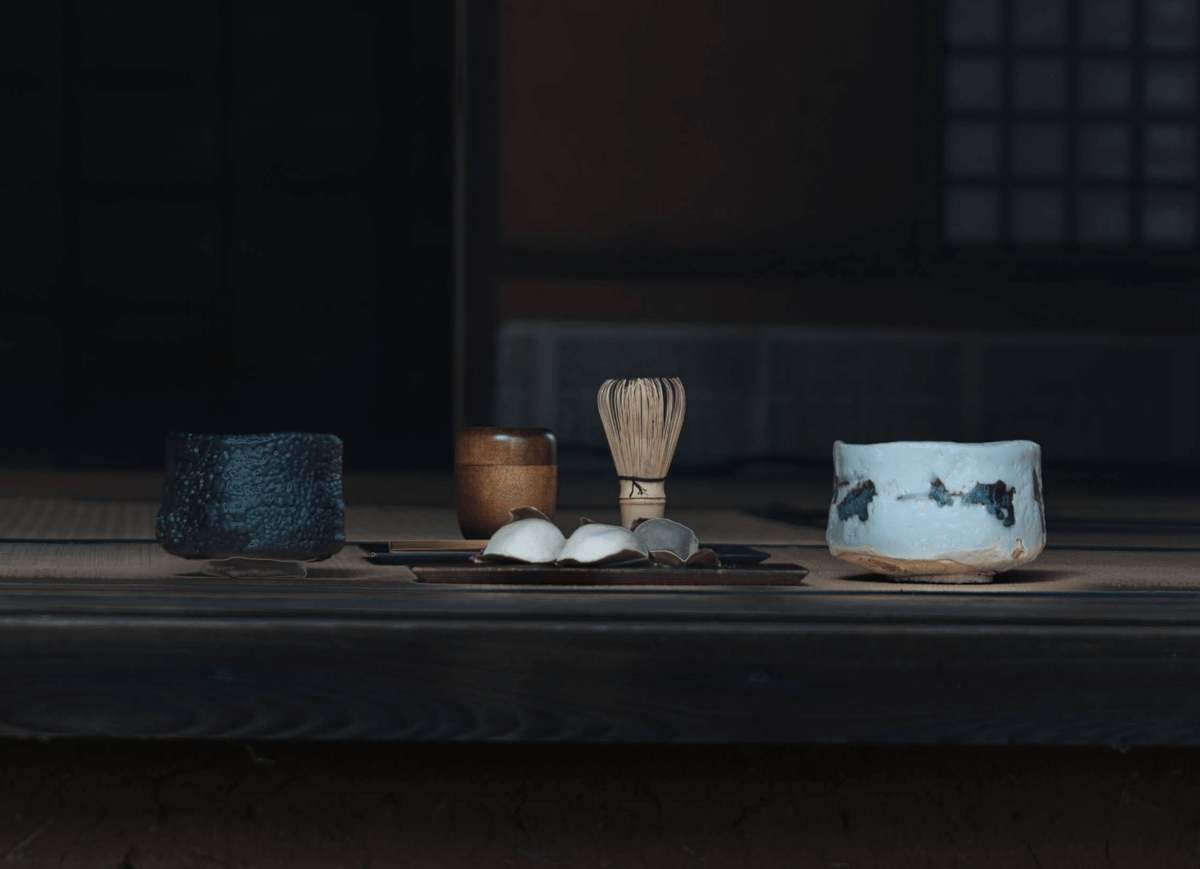
This Bowl of Tea Will Not Come Again: Ichi-go Ichi-e and a Single Vessel
A tea master whisks a bowl of tea as though it could never be repeated — because it cannot. The meaning of ichi-go ichi-e, from Yamanoue Sōji to Ii Naosuke, and the single bowl that holds the momen...
Read more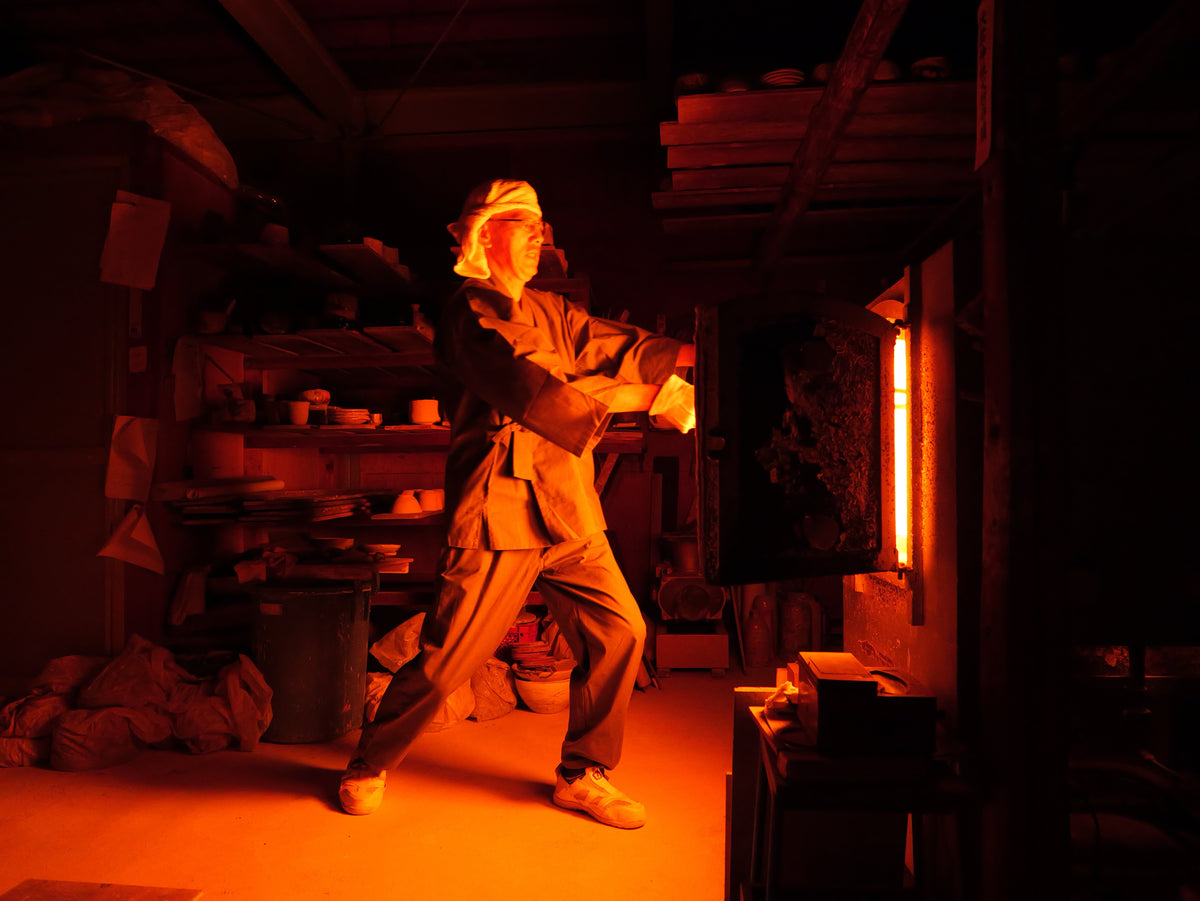
The Black Pulled from Fire: What Is Seto-guro?
Most pottery cools slowly. Seto-guro is drawn from the fire at its hottest instant and cooled in seconds. Its black is not painted but caught — the hikidashi technique, the black Rikyū loved, and t...
Read more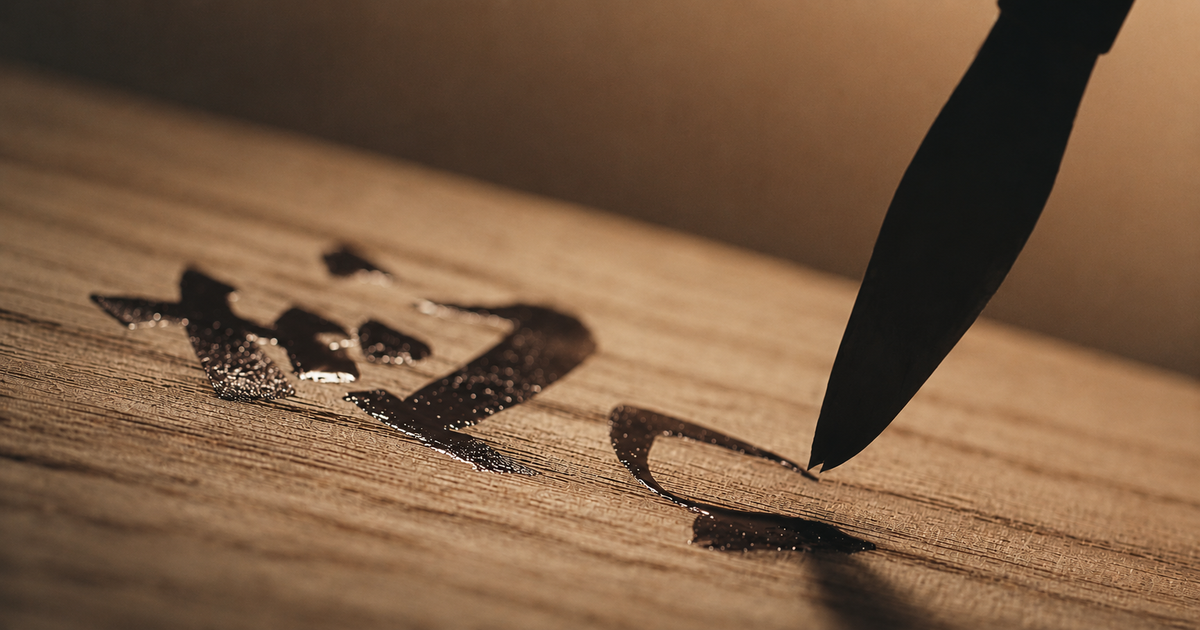
A Bowl with a Name: Reading the Mei, the Box, and the Life of a Tea Bowl
A fine tea bowl carries a name of its own — a mei. The paulownia box and the hakogaki on its lid speak of the bowl's identity and of the lineage it has come through. From kakitsuke-bako and kiwame-...
Read more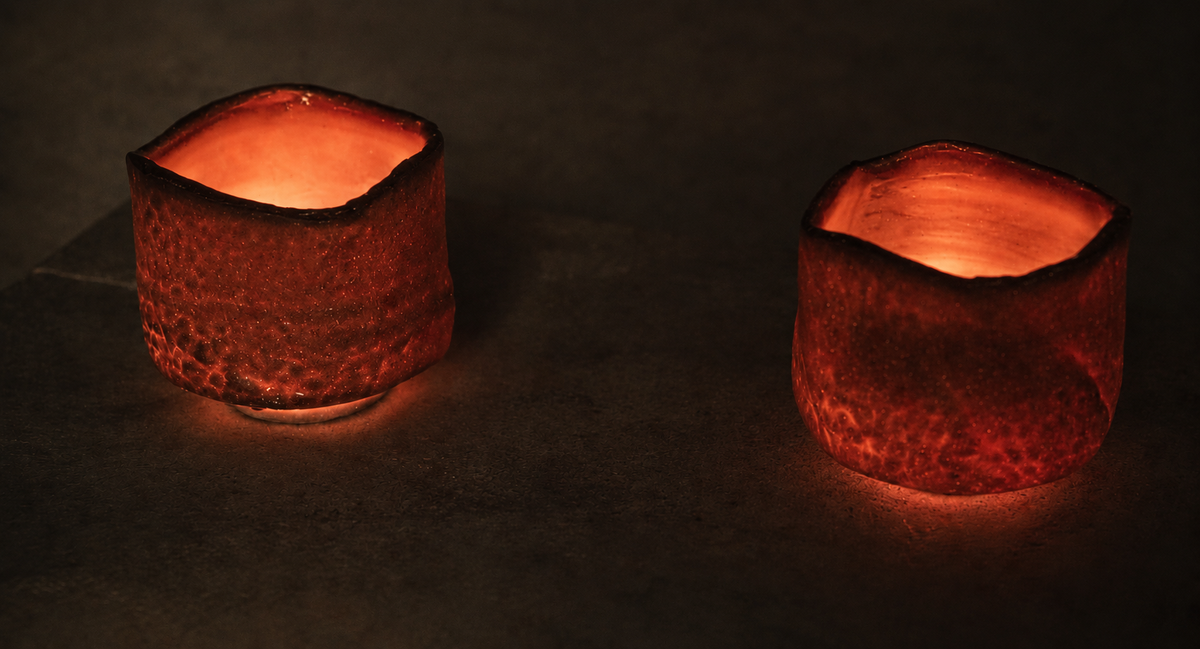
The Beauty of a Clouded Moon: Wabi-Sabi, and a Single Tea Bowl
Wabi-sabi is not simply “the beauty of imperfection.” From the moon glimpsed between clouds that Murata Jukō is said to have described, to the fire colour of Shino and the single instant of Seto-gu...
Read more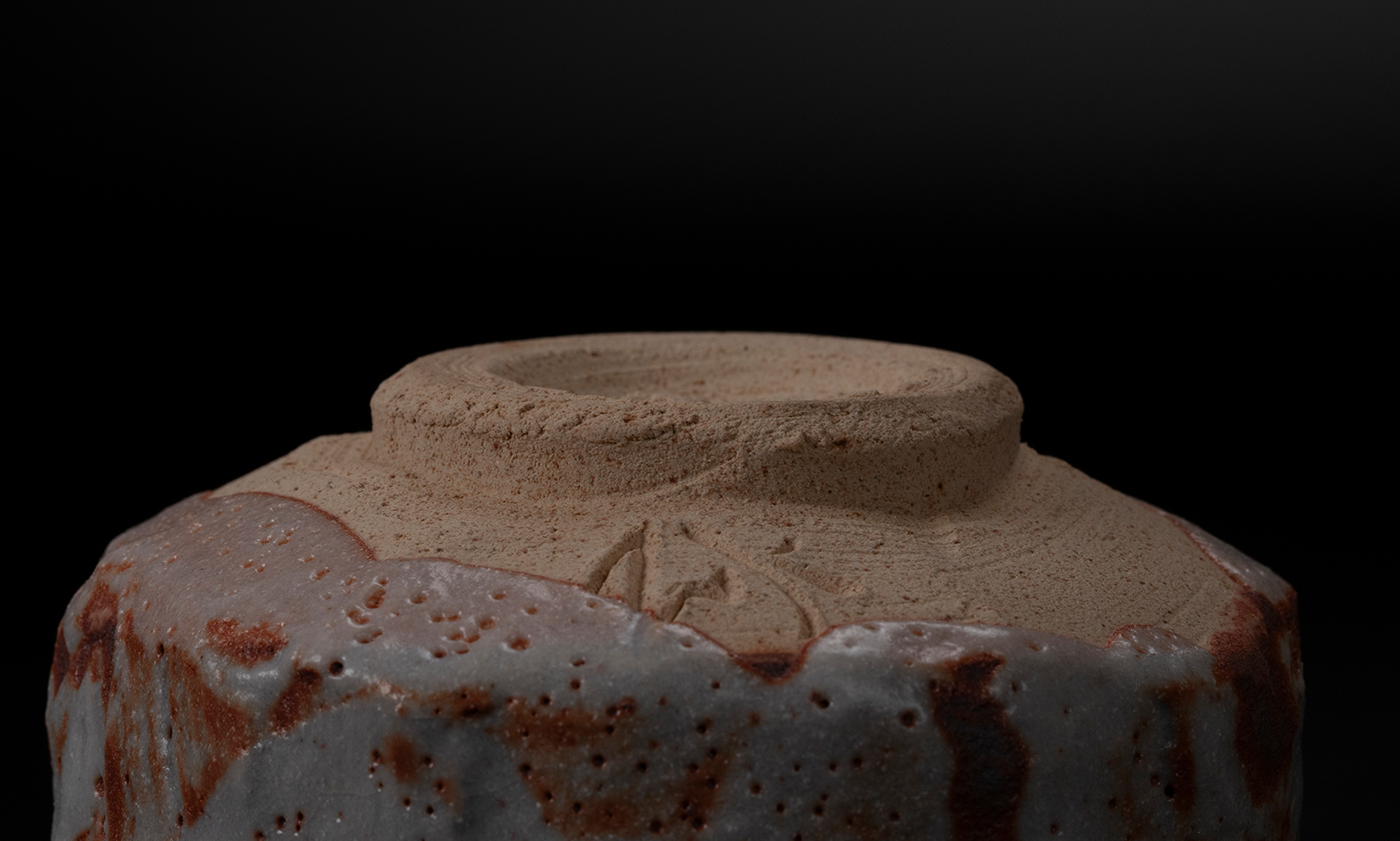
Turn the Bowl Over: Where the Master's Hand Lives
A tea person picks up a bowl that has caught their eye, and the first thing they do is almost always the same — they turn it gently over. The kodai, the rim, the mikomi, the weight, the keshiki: a ...
Read more
What Is Shino? Japan's First White Glaze and the Fire That Colors It
There is a white in Japanese ceramics that does not gleam — closer to snow at dusk, or moonlight on paper. Shino was the first white glaze Japan ever made. The story of the fire that colours it, to...
Read more